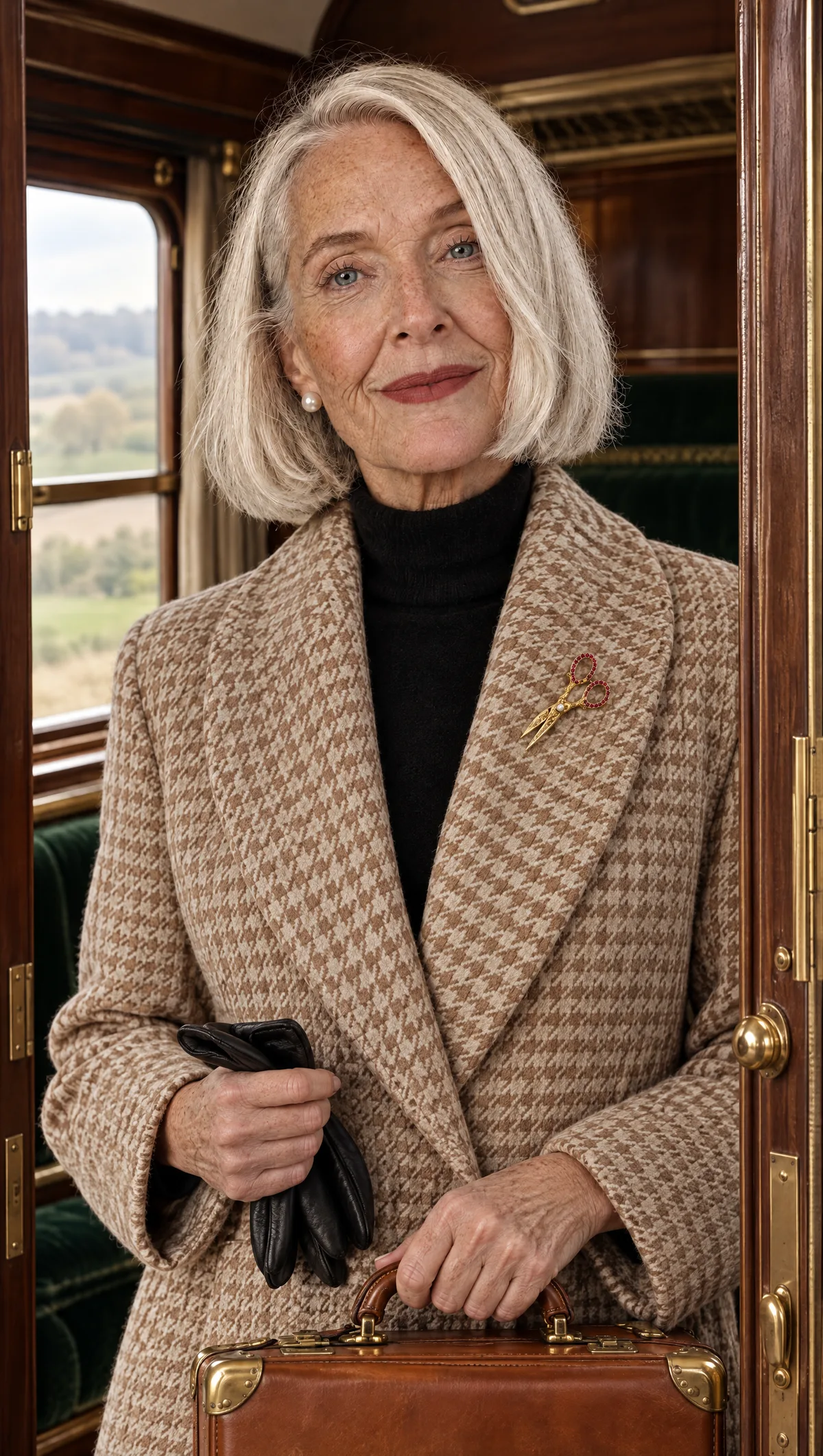
How to Style a White Shirt: Three Outfits From Your Closet
Three ways to wear a white shirt with clothes you own, with practical choices for the front, hem, shoes, and bag.

Take the white front-button shirt you already own and put it beside a pair of trousers you like wearing. Leave the hem out for a first look, choose shoes and a bag for the day ahead, and adjust the front until it feels like your outfit. The shirt needn't report for office duty simply because it has a collar.
A skirt gives you a different proportion to consider; wearing the shirt open over a top makes it a light outer layer. These are starting points, not a shopping list. If the shirt you reach for is blue, striped, or another color, you can make the same decisions with that one.
Start with the shirt in front of you
Look at how the two fronts meet when buttoned. Do they stay where you want them when you sit or reach? Is the collar comfortable to wear open, or do you prefer the way it sits with another button fastened? People sometimes call any front-button shirt a button-down; the small buttons that fasten some collars are a separate detail, not a requirement for these outfits.
Check coverage in the light where you expect to wear the outfit and while moving as you normally would. What looks covered standing still may look different when you reach or sit. If you want more coverage, try an opaque top you already own underneath, or choose another shirt. Color and fiber alone won't tell you how much a particular shirt shows.
Notice the hem, too. A longer shirt can be left loose, or you can try placing some or all of the front inside the waistband if that feels right. A shorter hem may already sit where you want it. The point of trying both is to see where the shirt falls with the actual garment beneath it; a tuck is a choice, not an admission ticket.
| Outfit | Pieces to gather | Decision to try |
|---|---|---|
| Shirt and trousers | White shirt, familiar trousers, suitable shoes, usable bag | Choose your collar and compare the hem loose or tucked. |
| Shirt and skirt | White shirt, owned skirt, suitable shoes, usable bag | Check where the front and hem sit with the skirt, including when seated. |
| Open shirt over a complete base | White shirt, opaque top, trousers, suitable shoes, usable bag | Leave the shirt open as a light layer; choose a base you are happy to wear on its own. |
A day out in trousers
Imagine a day with an appointment followed by errands, where you will be walking and sitting. Start with your white shirt and familiar trousers, then add existing flat shoes that suit the walking you expect and a bag that holds what you need. The familiar trousers give you a useful reference: you can judge the shirt without adjusting to an unfamiliar whole outfit at the same time.
Try the collar open if you like the more relaxed neckline, or close another button if you prefer the front to sit higher. Leave the hem out and sit down. If the fabric gathers in a way you dislike, try a small front tuck and sit again. Either choice can work; compare how the front lies and whether you want to keep adjusting it during the day.
The shoes and bag need to suit the actual outing, not each other. If the bag you like won't carry your things, switch it for one that will. If the appointment calls for a different level of formality, choose another pair of suitable shoes you already have or another outfit altogether. A practical bag earns its place without matching the shoes.
A skirt changes the hem decision
For a hypothetical lunch followed by a seated event, choose your shirt with an owned skirt, suitable flat shoes and a bag large enough for what you plan to carry. The question here is where the shirt ends in relation to the skirt, especially when you sit. That is a different decision from checking a loose shirt over trousers: the skirt's waistband and the way its fabric falls may change what you want the shirt front to do.
First leave the hem loose and look at the whole outfit. Then try a tuck if the waistband allows it and compare the two while standing and sitting. Perhaps the loose front covers a detail you want to see, or perhaps you prefer it over the waistband. Let that observation decide. If a full tuck feels bulky, try just a little of the front, or leave it out.
A different skirt already in your closet may give the shirt a more pleasing place to end. You can also change the shoes if the occasion or walk calls for it; heels aren't necessary to make a skirt outfit complete. Keep the bag that works for your plans, whether or not it matches anything else.
Wear the shirt open over a base
For a more casual arrangement, put an opaque top under the open white shirt and add trousers, suitable shoes and a usable bag. Choose a top you are happy to wear on its own, since it will remain visible between the shirt fronts. The open shirt adds another visible layer; unlike the trouser and skirt outfits above, the front closure is no longer doing the work of holding the look together.
Check how the open fronts fall when you walk and reach. If they keep getting in your way, button the shirt or set it aside and wear the base on its own. This is a light styling layer, not a promise of sun or weather protection. Choose clothing appropriate to the actual conditions and activity.
Make one adjustment at a time
If an outfit feels too formal for the day, start with a reversible change: open the collar, leave the hem out, or swap the shoes for a suitable pair you already own. If it feels unfinished to you, try a different bag or close the shirt front. Accessories needn't match, and they needn't be added at all.
Sometimes the issue is the shirt itself. If its front pulls when you move, its coverage isn't what you want, or the collar bothers you, choose a different owned shirt or reserve this one for a situation where it works for you. A favorite outfit should not require a full day of negotiations with its buttons.
Choose one upcoming use and assemble one complete option, including shoes and bag. Sit, reach and walk in it as the occasion requires. Compare one owned alternative, perhaps the hem tucked instead of loose, and note which version you prefer and why.
For broader wardrobe planning, the Capsule Wardrobe plan guides you through editing, fitting and wearing clothes, with a separate buying phase.
Enjoy finding a new way to wear your shirt.
With love,
Margot
Get dressed in five minutes. 30 days, 30 pieces, 60 outfits on me. PDF workbook · 97 pages · 6 printables.
See inside — $29
I’ve seen every trend twice, darling. Forty years in a Paris atelier, three little guides. More about Margot →
© 2026 margotbelmont.com. This article and its photos are protected by copyright. You are welcome to share a link to it or pin an image that links back here. Please don’t copy, republish or adapt the text or photos, or use them for AI training, without our written permission. Terms