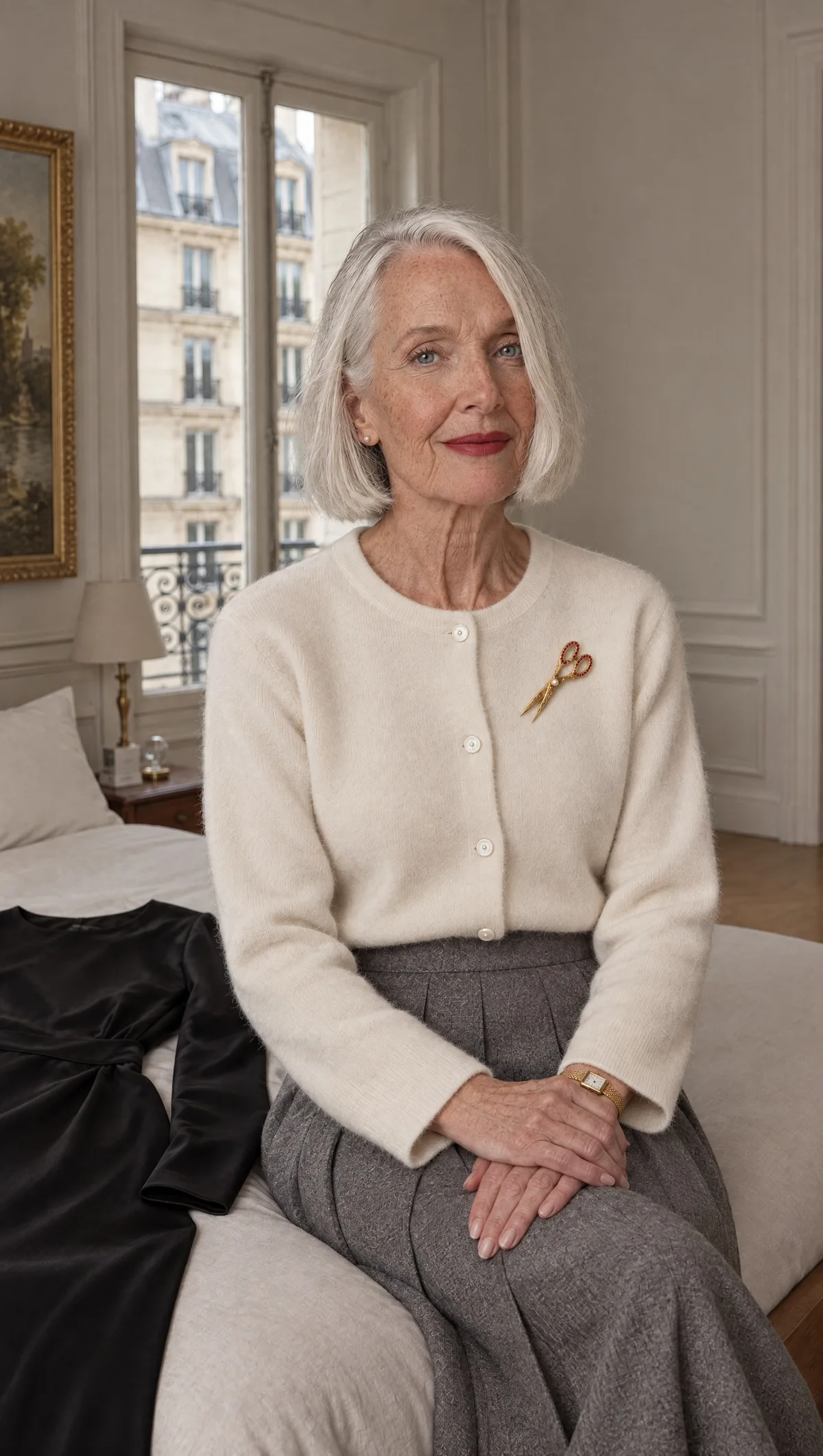
How to Style a Cardigan: Three Ways to Use One You Own
Choose whether to wear a cardigan open, closed, or over a dress, with practical outfit ideas using clothes you own.
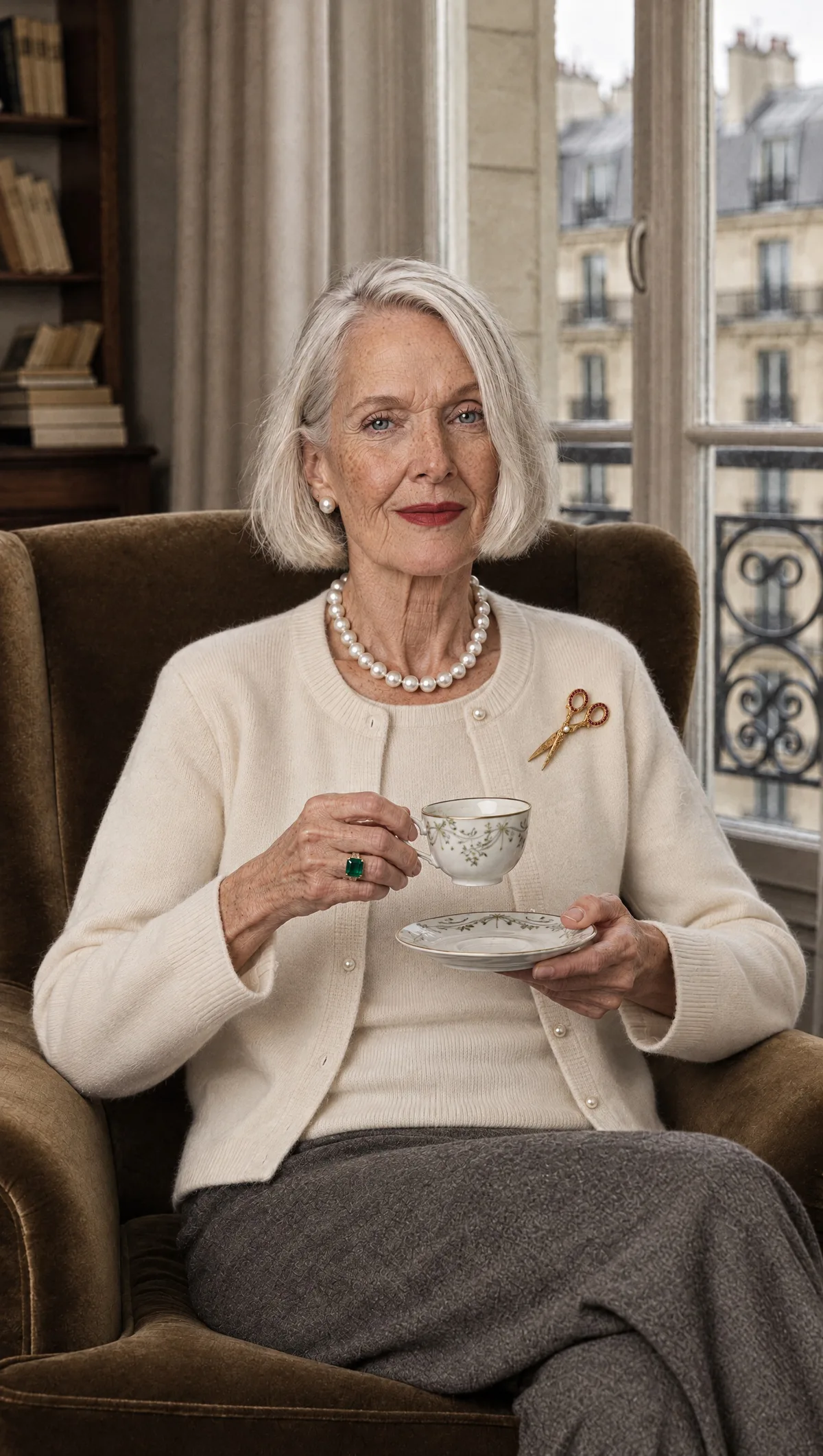
Start with a cardigan already in your closet and decide what you want it to do. It can frame a simple top when worn open, become the top itself when its coverage and fastenings suit you, or sit over a dress. Each choice gives the knit a different job, so the best companions may change too.
There is no cardigan uniform for any age. Pick the version that suits the piece in your hands and the day ahead.
| Cardigan role | What to consider |
|---|---|
| Open over a simple top | The top remains visible, so consider its neckline and hem alongside the cardigan. |
| Closed as the chosen top | Check the fastenings and the coverage you want; keep a base top underneath if needed. |
| With a complete dress | Compare the open and closed front with the dress neckline, waist details, and shape. |
Look at the cardigan first
Put it on over a simple top and notice where it ends. A short hem may leave a waistband or dress waist visible; a longer one may cover a detail you wanted to show. Neither length needs correcting. The question is whether you like the arrangement with the particular clothes you plan to wear.
If the cardigan fastens, close it and move as you normally would. Notice any pulling around the buttons or openings between them, especially when sitting or reaching. Decide how much skin or base layer you want visible at the neckline and through the front. These are observations about this combination, not a diagnosis of fit. If the closures feel strained or the coverage is not what you want, wear it open over a top, choose another owned piece, or save it for a different outfit.
Look at the neckline as well. An open cardigan can show the shape of the top beneath it; a closed one puts its own neckline in charge. A high-neck top under a low cardigan creates a visible contrast, while two similar necklines may sit close together. Try the combination and see which effect you prefer. A collar or decorative neckline on a dress deserves the same consideration: leave room for it to show if that is the detail you like.
Open for an everyday outing
Imagine a casual lunch followed by an errand. Start with your cardigan open over a plain T-shirt, add familiar straight-leg trousers, flat shoes suitable for the day's walking, and a bag you already use. The T-shirt gives the open front a deliberate center; the trousers make a simple companion for a knit with texture or prominent buttons. Check the venue and your own plans when choosing the shoes.
If the T-shirt hem competes with the cardigan hem, try a small tuck into the trousers. Look at the outfit standing and sitting. If you prefer the top loose, leave it out or try another owned top with a different length. The choice is reversible, and the outfit does not need a belt to make it legitimate.
A patterned cardigan may be easier for you to assess against a plain top; if the knit is plain, a printed top can give the open front more interest. Those are options, not rules. Look at the two pieces together and keep the combination you enjoy. A bag need not match the shoes: choose one that holds what you need and looks at home with the rest of the outfit.
Closed for a different kind of top
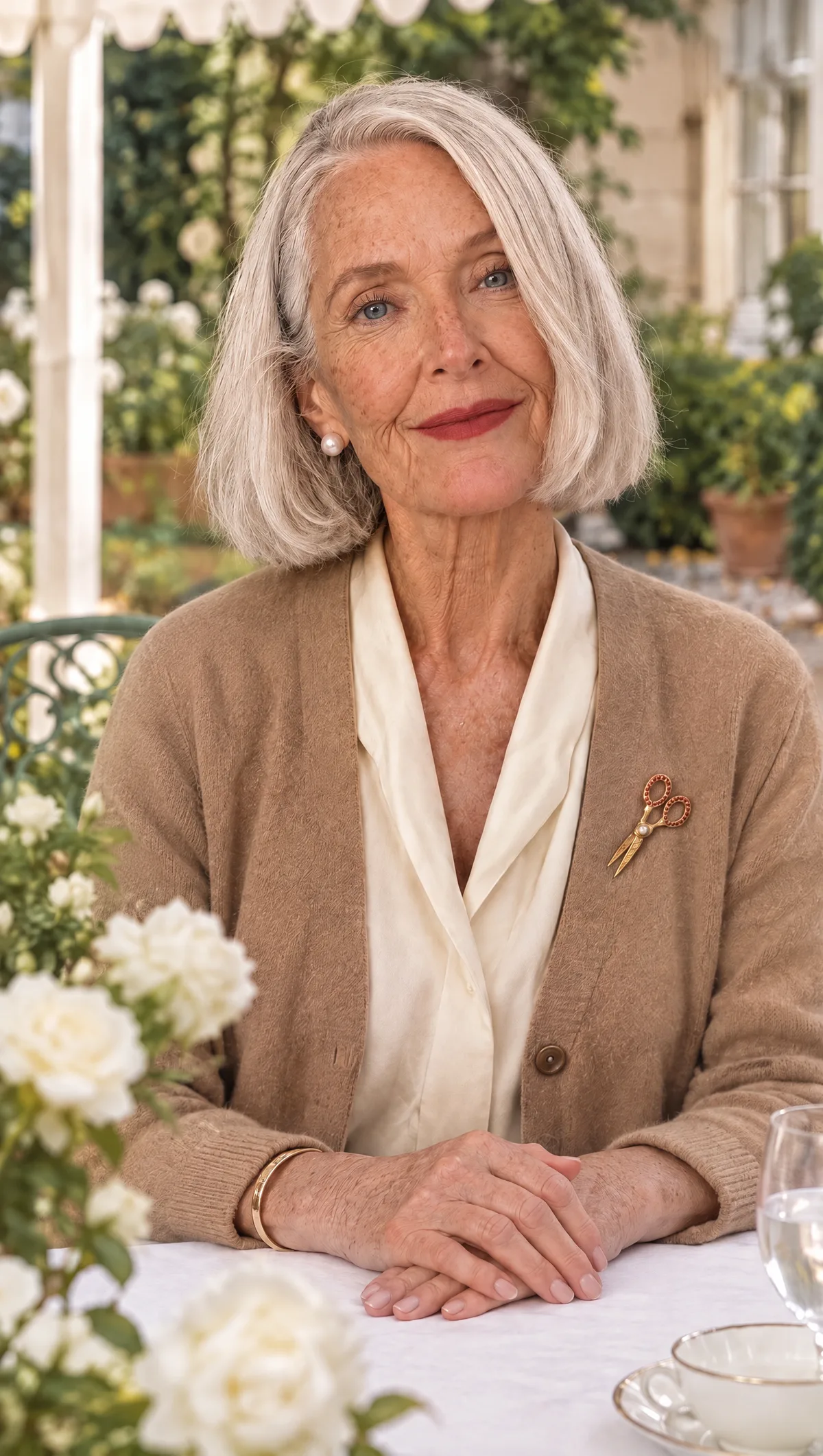
For a hypothetical daytime visit where you would like a more defined neckline, try closing the same cardigan with a familiar skirt, flat loafers, and a small bag. If you judge the coverage and fastenings suitable, wear the cardigan as the chosen top. Its buttons and neckline now make up the front of the outfit, instead of framing a separate T-shirt.
Check the skirt waistband against the cardigan hem. You might like the hem resting over it, or prefer a light tuck if the knit sits as you want without pulling. Leave it untucked if that feels or looks better to you. Shoes can be flats or another pair you already find suitable for the visit; heels are not required.
If the neckline shows more than you want, or the front opens when you move, put an explicit base top underneath. A simple camisole or T-shirt you own can provide the coverage you prefer, with the cardigan closed where it sits comfortably or left open. If the closed front still pulls, return to the open version or use another top with the skirt. There is no need to persuade a button to take on more work.
Over a dress
A cardigan can also accompany a complete dress you already own. For an illustrative afternoon visit, try it with the dress, suitable flats, and an everyday bag. The dress supplies the full outfit beneath the knit, so you can judge the cardigan against its existing neckline and waist rather than choosing a separate top and trousers.
Leave the cardigan open first. Can you still see the dress detail you like, such as a collar, print, or waist seam? Then close it if the fastenings allow and compare. A closed front may cover part of the print or change where the dress waist appears; you may like that effect, or miss the detail. Try an owned cardigan of another length if this one hides too much. If neither version appeals, wear the dress without it or choose another layer you own.
This option differs from the closed-top outfit because the dress remains a complete piece underneath. It also differs from the open T-shirt combination: the dress's neckline and waist details are already settled, so the cardigan has to work with them. No matching bag or special accessory is necessary.
Make one choice for your next outing
Pick an actual occasion and assemble one complete option, including shoes and a bag. Sit, reach, and walk in it as appropriate for your plans. If something bothers you, name the particular mismatch: perhaps the neckline shows more than you want, the hem covers a dress detail, or the front pulls when fastened. Change that one element or reserve the cardigan for another use.
Compare one alternative you already own, such as a different top under the open cardigan or another layer over the dress. Note which combination you prefer and why, so it is easier to choose next time.
For broader wardrobe planning, the Capsule Wardrobe plan covers editing, fitting, buying, and wearing clothes.
I hope your cardigan finds an outing you enjoy.
With love,
Margot
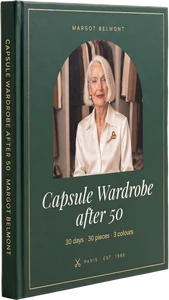
Get dressed in five minutes. 30 days, 30 pieces, 60 outfits on me. PDF workbook · 97 pages · 6 printables.
See inside — $29
I’ve seen every trend twice, darling. Forty years in a Paris atelier, three little guides. More about Margot →
© 2026 margotbelmont.com. This article and its photos are protected by copyright. You are welcome to share a link to it or pin an image that links back here. Please don’t copy, republish or adapt the text or photos, or use them for AI training, without our written permission. Terms