How to Stop Buying Clothes You Never Wear: Check the Outfit Before You Buy
Make a practical pre-purchase decision by checking the occasion, pieces you own, fit, care, and full cost.
A garment can be lovely on its hanger and still leave you wondering what to wear with it. Before paying, give the piece a little company: choose an occasion and put together an outfit using what you already own. Then check whether the fit, care and total cost suit you.
This is a way to make a decision, not a rule against buying something for pleasure. You can buy a useful replacement, choose a beautiful extra, wait for more information or leave it behind. The point is to know which choice you are making.
Give the candidate a job
Start with the particular item in front of you. Where would you wear this cardigan, skirt or pair of trousers? Name an occasion from your own life: a casual lunch, a gathering already planned, or a routine day when you want an easy option. A general hope that you will become the sort of person who wears it is harder to turn into an outfit.
A purchase might fill a known gap, duplicate something you wear often, or simply be an optional pleasure. A duplicate can earn its place if having another suits your routine. You do not need to present a moral defense of a pretty blouse. It does help to recognize when you have no chosen use for it yet, so that an attractive display does not make the decision for you.
Assemble one complete outfit
Name the actual pieces you would wear with the candidate, including suitable shoes and, when the occasion calls for them, a layer and bag. Picture your own navy trousers, for example, rather than a vaguely perfect pair that may require another shopping trip. One complete outfit can be enough; there is no required number of combinations.
If you can, try the candidate with those pieces. Bring suitable shoes or a relevant layer when shopping in person, or compare the item with pieces at home before ordering. A photo or a written list can help when carrying the whole outfit is impractical. The test is less certain until you can check the actual combination, so keep that uncertainty in the decision.
Notice any missing partner. If a dress seems right only with shoes you do not own, count the shoes as part of the plan. You may still want both, but a dress ticket alone no longer describes the purchase you are considering.

Two different decisions
These are hypothetical situations, not shopping rules. Each starts with a specific candidate and a different set of choices.
| Situation | Candidate and decision |
|---|---|
| A specific missing layer | A cardigan could complete an existing casual-lunch outfit; buy if the practical checks and terms suit, or pause if they are unresolved. |
| A sale dress without partners | A dress for a gathering also calls for new shoes and a layer; compare that whole plan with an outfit already owned. |
For the first situation, suppose your existing top, trousers, personally suitable shoes and everyday bag work for casual lunches, but your current layer does not suit the occasion. The proposed cardigan is the only clothing addition to that outfit. Try its shoulders and closure, move in it with the other pieces if possible, and check its care label, price and actual purchase terms. If those all suit you and you want it, buying is a reasonable choice. If the closure pulls or the terms are unclear, pause instead. The known gap gives the cardigan a purpose; it does not guarantee you will wear it.
Now imagine a sale dress for an upcoming gathering. The dress appeals to you, but the outfit you have in mind also needs different shoes and a new layer. You already have a dress, or a blouse and trousers, that you could wear with suitable shoes, a layer and a bag you own. Compare the complete new plan and its costs with that alternative. You might choose the existing outfit and leave the dress, or pause while you check the other pieces. You might also decide the new outfit is worth the expense and effort for this event. One occasion can be enough when that is a choice you genuinely want to make; the sale alone does not supply the occasion or the missing partners.
Check the life around the outfit
An outfit has to work beyond the mirror. Try the actual garment closed as you would wear it, then sit, reach and walk. Look at the hem with your intended shoes and consider what you will be doing at the occasion. Your assessment of fit and ease matters more than a size label or a salesperson's reassurance.
Read the garment's care label or the manufacturer's directions. Consider whether you are willing and able to give it that care, including any time or access it requires. A piece can be attractive and still ask for more upkeep than you want.
If the fit depends on an alteration, find out whether the change is feasible and ask the relevant professional for a quote before counting on it. Add that cost and the effort of arranging it to your decision. Until you have those answers, the proposed fix is a question, not a finished outfit.
Check the actual terms before paying
Look at the total you would pay, including delivery and any other charges shown, as well as any necessary partners or proposed alteration. Decide whether that whole amount is acceptable to you. There is no need to forecast how many times you will wear the piece to make the decision.
For an online order, check the seller's sizing information and measurements against your own and against a garment you like, where useful. Read the current return conditions and any relevant deadlines or costs before paying. Policies differ, so do not assume an item can be returned. If measurements, care details or terms are missing, ask the seller or pause until you have enough information. Do not plan to wear an item and then return it.
Choose buy, pause or leave
Buy when you want the candidate and the outfit, practical demands, total cost and terms are acceptable to you. Once it arrives or comes home, plan its first actual use with the pieces you named. You can acknowledge uncertainty without trying to prove the purchase was perfect.
Pause when one answer could change your mind: perhaps the care information is missing, or you need to see whether your shoes work with the hem. Write down the question and, if useful, choose a time to review it. There is no magic waiting period.
Leave when the item or its complete plan does not suit you, even if it is beautiful. You do not need to buy a substitute on the way out.
For your next tempting piece, make a short note: its role or occasion; the complete outfit using named pieces you own; any fit, care, cost or terms questions; and your decision. A few specific lines are more useful than a promise to shop perfectly.
For a broader approach to editing, fitting, buying and wearing clothes, explore the Capsule Wardrobe plan.
I hope your next choice leaves room for an outfit you enjoy wearing.
With love,
Margot
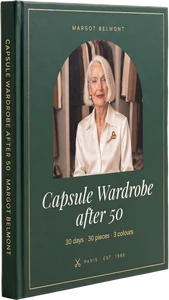
Get dressed in five minutes. 30 days, 30 pieces, 60 outfits on me. PDF workbook · 97 pages · 6 printables.
See inside — $29
I’ve seen every trend twice, darling. Forty years in a Paris atelier, three little guides. More about Margot →
© 2026 margotbelmont.com. This article and its photos are protected by copyright. You are welcome to share a link to it or pin an image that links back here. Please don’t copy, republish or adapt the text or photos, or use them for AI training, without our written permission. Terms