Capsule Wardrobe Checklist: Start With What You Own
Build a wearable capsule wardrobe with an owned-first checklist, a flexible 30-piece example, and practical outfit tests.

Start your capsule wardrobe checklist in your closet. Gather the clothes you already wear, check their fit and comfort, and make a few complete outfits. Then note what's genuinely missing. The printable checklist below uses 30 pieces as an adjustable example, not a test you have to pass.
A capsule is a working selection of clothes, shoes and bags that suits your life and can be worn in combinations you enjoy. It need not be neutral, expensive or severe. If your favourite shirt is striped and your practical coat is red, both are welcome at the meeting.
Before you count: look at your week
Choose the everyday part of your wardrobe you'd like to make easier to use. Think about where you go, what you do there, the conditions you dress for and how often you're willing to do laundry. Desk days may call for a different balance from days spent standing, running errands or outdoors. Neither wardrobe is more correct.
This is a foundation for getting dressed at home, not a travel packing list. A trip may need its own selection; your regular wardrobe needs to account for your regular life.
Set aside a little space, a pen and, if helpful, a mirror. You can print this article and write directly in the tables. If looking at everything at once feels like too much, work through one category at a time.
Printable capsule wardrobe checklist
The counts below are a starting example: 6 + 5 + 3 + 4 + 3 + 2 + 4 + 3 = 30. Shoes and bags are included; each pair of shoes counts as one item. Accessories, underwear, nightwear, sportswear and special-use clothes are outside this example. Keep what you need in those groups without squeezing it into the count.
For each row, write the number or names of pieces you already own that work, those worth repairing or tailoring, and any genuine gap you discover after testing outfits. Leave a cell blank or write “none” when it does not apply. The example count is not a shopping quota.
| Category | Example count | Already works | Repair/tailor | Genuine gap |
|---|---|---|---|---|
| Tops | 6 | ____ | ____ | ____ |
| Bottoms | 5 | ____ | ____ | ____ |
| Jackets | 3 | ____ | ____ | ____ |
| Knits | 4 | ____ | ____ | ____ |
| Dresses | 3 | ____ | ____ | ____ |
| Coats | 2 | ____ | ____ | ____ |
| Shoe pairs | 4 | ____ | ____ | ____ |
| Bags | 3 | ____ | ____ | ____ |
If you rarely wear dresses, move some or all of those slots to bottoms, tops or another category you use. If you need more shoes and fewer bags, adjust those too. The total can change. Use the number to notice an imbalance, not to pass judgment on your closet.
A small planning checklist
| Check | Action | Notes |
|---|---|---|
| ☐ Lifestyle | List your regular activities and the clothes each needs. | ____ |
| ☐ Climate | Note the conditions and layers you actually dress for. | ____ |
| ☐ Laundry frequency | Decide how often you want to do laundry; check whether you have enough frequently worn pieces between washes. | ____ |
| ☐ Outfit testing | Try complete outfits, including shoes and a suitable outer layer or bag; record what works and what is missing. | ____ |


1. Start with the clothes you own
Pull out the pieces you reach for often, then look at the ones that stay on the rail. Include shoes and bags so you can test complete outfits. You don't have to empty every drawer in one heroic afternoon. A single shelf is a perfectly respectable beginning.
Sort each piece into four temporary groups:
- Works now: it fits comfortably, suits something you do and you're willing to wear it.
- Repair or tailor: you would wear it if a specific, practical alteration or repair were made.
- Not for this capsule: useful for another purpose, another set of conditions or an occasion outside your everyday selection.
- Undecided: you need to try it with something else before choosing.
You may also decide to let an item go. There's no requirement to do that immediately, and nothing has to leave your home simply because it exceeds an example number. Put the undecided pieces aside and revisit them after the outfit test.
When you fill in the table, be specific enough to recognise each piece later. “Dark jeans” or “striped shirt” is more useful than a mark you can't identify. The numbers can help you see what is available, but the outfit test will tell you whether the selection serves your week.
2. Check fit, comfort and use
Try on the pieces you're considering. Sit, stand, reach and walk a little. Does the waistband feel comfortable? Can you move your arms? Do the shoes feel suitable for the activity you have in mind? Does the bag carry what you normally take?
A garment can be attractive and still not earn a place in this selection. That's a comment on the garment, not your body. If an adjustment might make a difference, note the exact issue rather than writing a hopeful “fix someday.” Then decide whether the work is worth arranging for you.
Choose silhouettes, lengths and colours by preference, not by a list of things women supposedly should stop wearing after 50. A blazer, cardigan or loose shirt can all serve as a layer. A skirt is not obligatory; neither are heels.
Consider the whole day as well as the mirror. A layer that works indoors may need a coat over it outside; a bag that looks right with an outfit still needs room for what you carry. Note any practical mismatch beside the piece rather than assuming you must replace it.
3. Test outfits, not isolated pieces
Pick a bottom you wear and pair it with two or three tops you already own. Add a layer, shoes and a bag that suit the intended activity. Try the combination on instead of judging it only on a hanger. Record the finished outfits on paper or take photos if that's useful to you.
Repeat with a dress or another bottom. Look for combinations you'd actually choose, not merely combinations that technically match. A shirt that works with trousers only when you remain perfectly still is not pulling its weight.
Use these prompts:
- Can you put together an outfit for each of your regular activities?
- Is there a comfortable layer when you want one?
- Do your chosen shoes work with the hems and activities involved?
- Can your everyday bag carry your usual essentials?
- Are several outfits relying on the same piece when it may be in the wash?
You don't need every top to go with every bottom. A few reliable combinations you like are more useful than a theoretical wardrobe full of possibilities you never wear. Keep your successful outfit notes near the checklist for busy mornings.
If one outfit almost works, write down what stopped you wearing it: perhaps the layer feels restrictive or the available shoes don't suit the activity. Try another piece you own before calling it a gap. The point is to make the notes useful, not to force an outfit into service.
4. Identify a genuine gap
A genuine gap is a specific need that remains after you've checked what you own and tested the combinations. “A comfortable layer for these two outfits” is more useful than “another jacket.” Write down the outfits and activities the missing piece would serve, along with the fit or features that matter to you.
First consider whether an existing item can fill that role, perhaps after a repair or alteration. If not, you may decide to borrow, swap, buy or simply wait. There is no prize for filling the table fastest.
Use the 30-piece example to ask better questions, then keep the answers that fit your life. Review your notes when your routines or needs change; the checklist can change with them.
For a more structured approach to editing and wearing what you own, Explore the Capsule Wardrobe plan. Take your time with the rest of the closet.
With love,
Margot
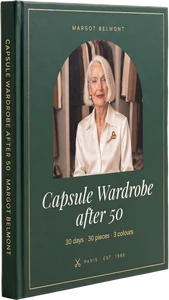
Get dressed in five minutes. 30 days, 30 pieces, 60 outfits on me. PDF workbook · 97 pages · 6 printables.
See inside — $29
I’ve seen every trend twice, darling. Forty years in a Paris atelier, three little guides. More about Margot →
© 2026 margotbelmont.com. This article and its photos are protected by copyright. You are welcome to share a link to it or pin an image that links back here. Please don’t copy, republish or adapt the text or photos, or use them for AI training, without our written permission. Terms