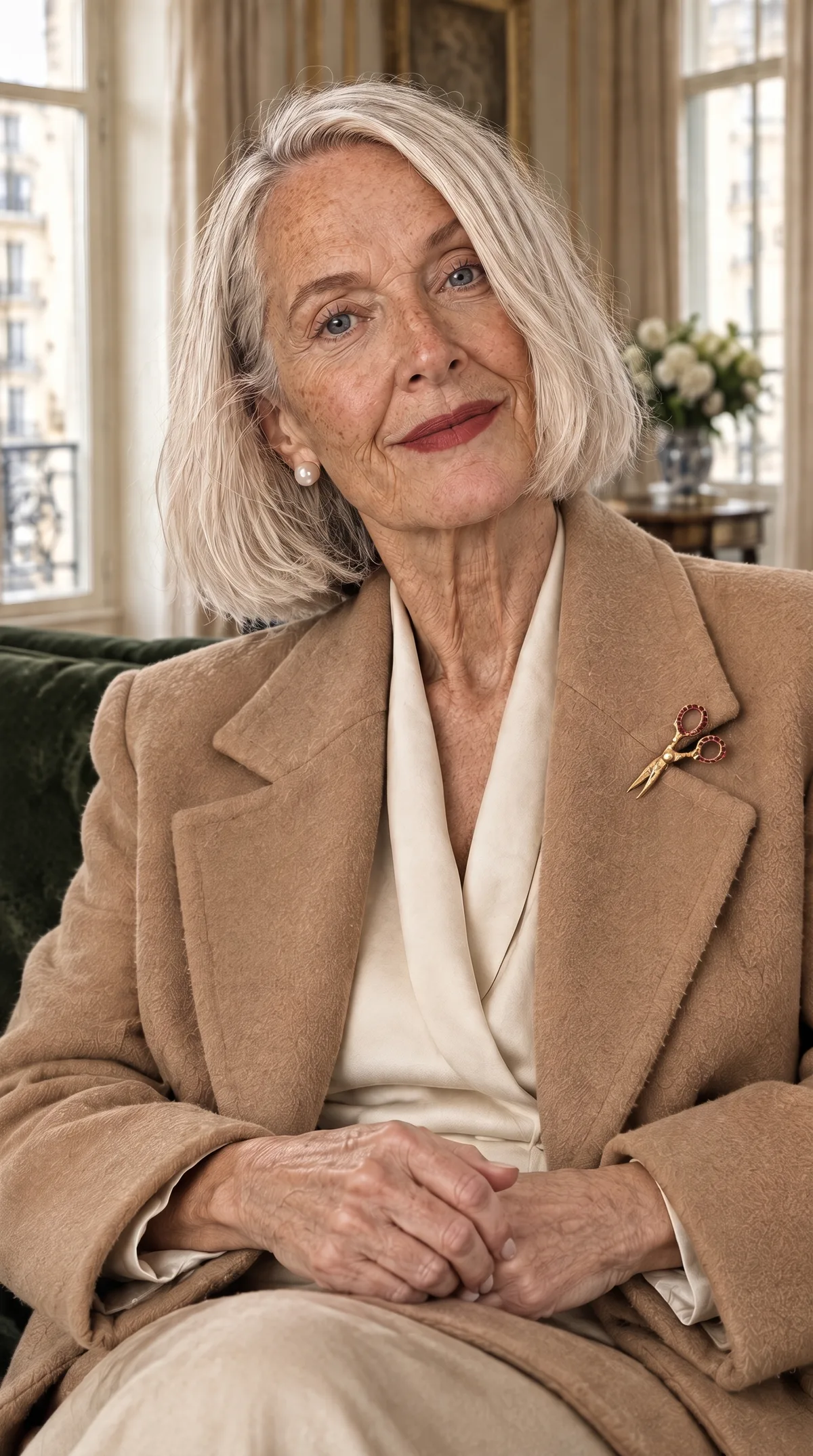
How to Layer Clothes Without Feeling Bulky
Choose layers that work together, test the whole outfit in motion, and plan what to do when a layer comes off.
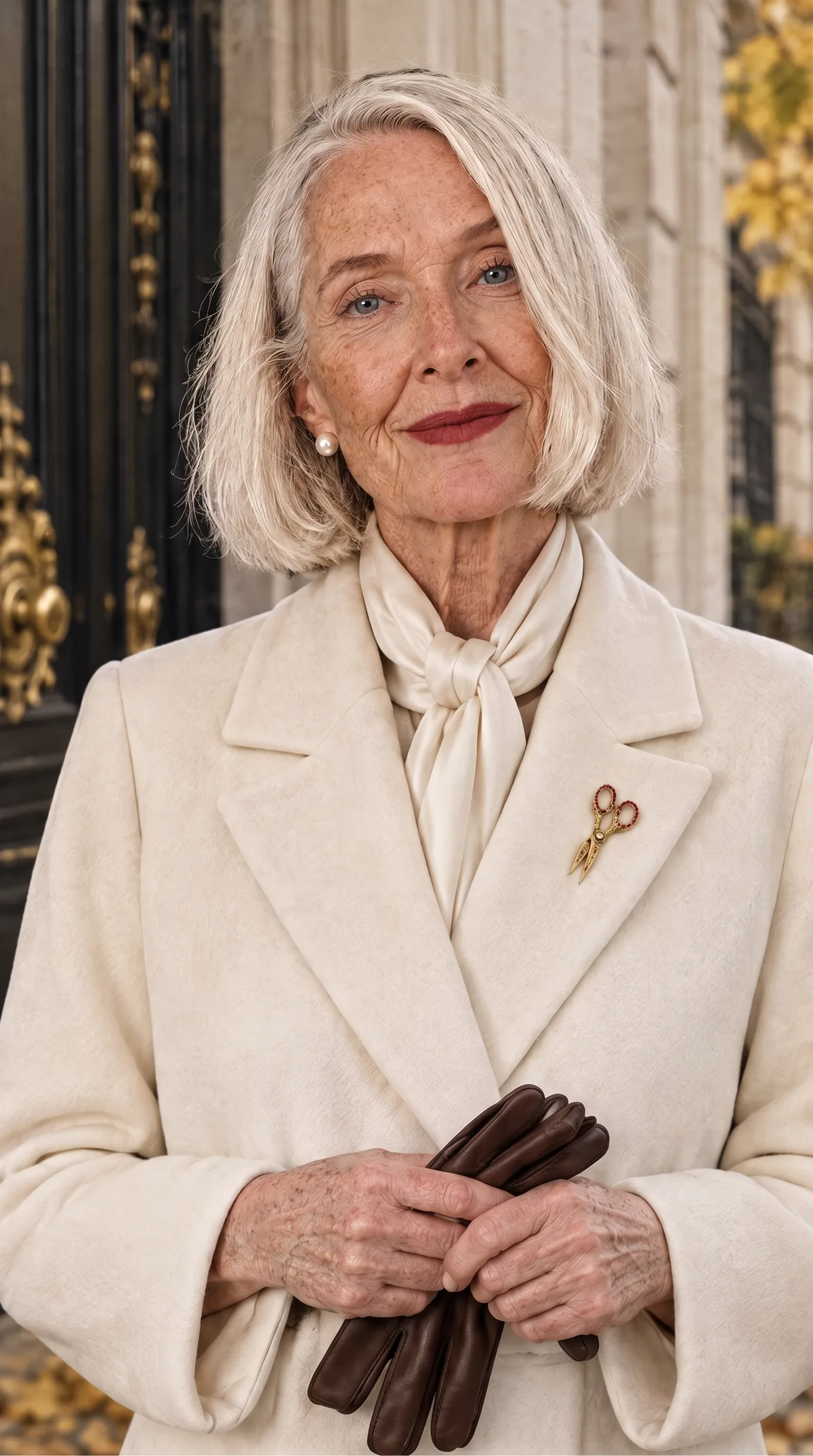
A cardigan that feels lovely on its own can become a nuisance when its sleeves bunch inside a coat. The solution may be as simple as a different coat, or leaving the cardigan at home. Start with the clothes you own and see how they behave together.
When deciding how to layer clothes, give each piece a job and test the outfit as you will wear it. Feeling bulky here means that the clothes feel crowded or awkward to you. It says nothing about the shape of your body.
Give each layer a job
Your base is the top and bottom, or other combination, you intend to wear closest to the rest of the outfit. If you plan to remove an outer piece, check that you like wearing the base on its own. A top that needs constant adjusting may be an irritating surprise once the jacket is off.
A middle layer, such as a cardigan or jacket, is optional. You might want one for a change between parts of your day or simply because you like the look. Outerwear has its own job: choose it for the actual forecast, your activities and the time you expect to spend outside. One layer or two may be enough for your plans; there is no required number. Change the outfit when the conditions call for something different.
These two hypothetical outfits take different approaches. In each case, the decision depends on the actual pieces and the day ahead.
| Situation | Decision to test |
|---|---|
| A soft removable layer | Choose a cardigan for a casual outing and decide where it will go if removed. |
| A jacket beneath a coat | Try the intended jacket under the actual coat before relying on the pairing. |
A soft layer for an outing and an indoor stop
For a casual day, start with an owned long-sleeve top and comfortable trousers, plus day shoes you have already tried and an everyday bag. Add an open cardigan if you want a removable middle piece, and choose outerwear suited to the actual conditions when needed. The cardigan earns its place if you want the option of wearing it for part of the outing and taking it off later. It does not have to come along simply because it matches.
Try the top and trousers without the cardigan first. Then put on the cardigan and any planned outerwear. Move your arms and check that the sleeves settle where you want them. If they collect at the wrists or the coat closure feels crowded, try another owned layer or leave the cardigan out if your conditions and preference allow.
At the indoor stop, decide what you would remove; don't assume what the temperature will be. Check whether the cardigan or outerwear actually fits in your bag alongside what you need to carry. If it doesn't, decide whether you are happy holding it, or choose a different arrangement before leaving. A removable layer is much more convenient when it has somewhere to go.
A jacket under a coat
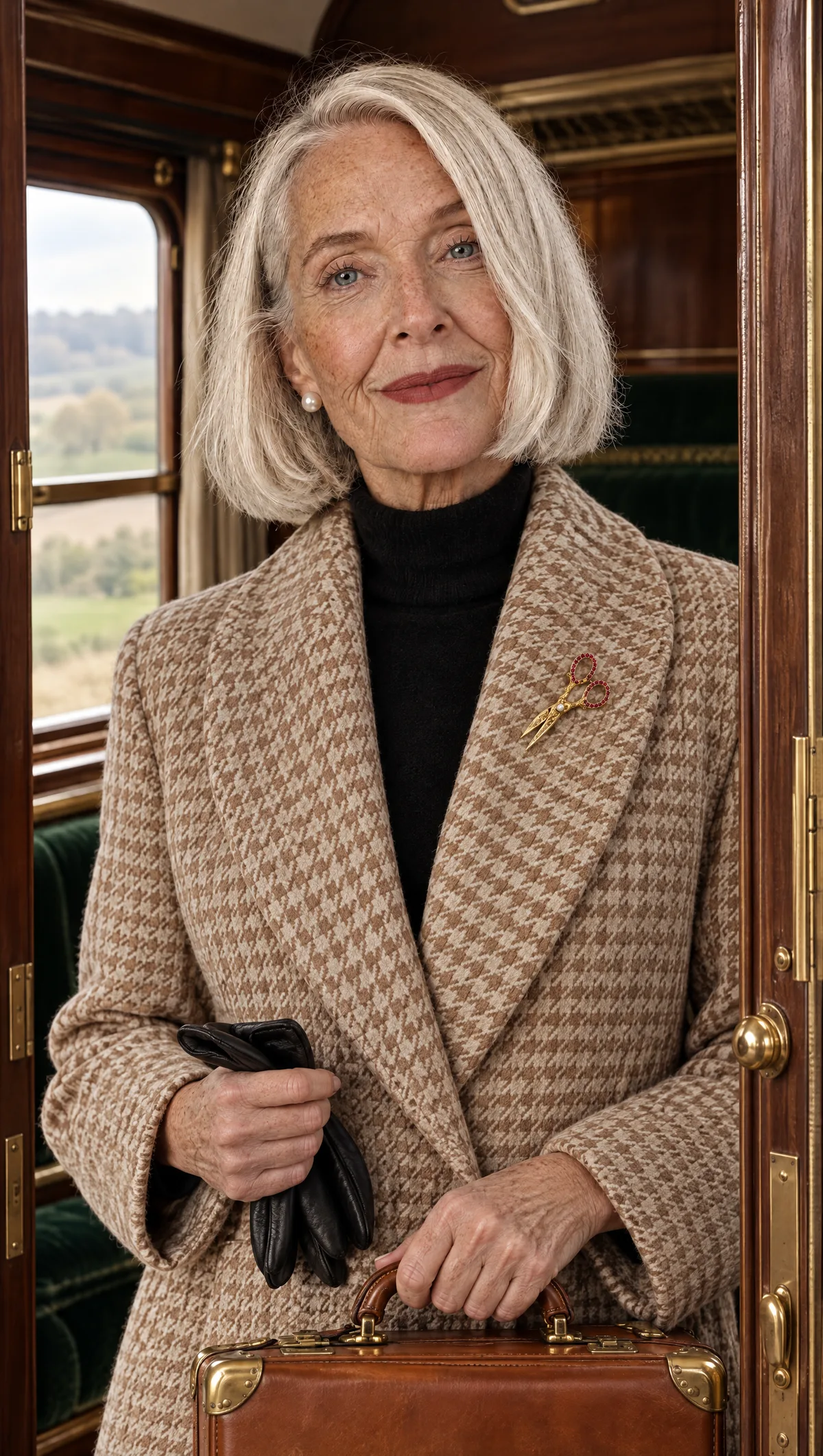
Suppose you want a structured jacket for an appointment. Pair an owned jacket with a plain blouse or knit top and trousers, then add shoes that suit you and a bag. If the journey calls for a coat, put the actual coat on over the jacket. A jacket that looks excellent by itself and a coat that closes easily over a top may still feel cramped together.
Close the coat as you intend to wear it. Reach forward, raise your arms and sit down. Notice the shoulders and chest as well as the sleeves. At the neck, arrange the jacket and coat collars as you like them; they need not both be prominent, and not every combination creates a pile. Take the coat off and check that the jacket outfit works for the appointment, too.
If the two pieces compete for space, try a different owned coat or a different middle layer. You do not need to force your body into the combination, abandon every jacket or assume that a larger size is the answer. The aim is to find two specific garments that work together for your plans.
Check the whole assembly
A mirror can show you the combination at rest. Movement tells you more about how its parts interact. Put on the complete outfit, including the outer layer, shoes and bag. Close whatever you intend to close, walk a little, sit and reach as you would during the day. Notice where a garment catches or shifts rather than judging each piece separately.
If something feels crowded, locate the problem before changing the entire outfit:
- At the sleeves, check whether cuffs have caught or the inner sleeve has ridden up. Set them straight and try the movement again; if they keep bunching, exchange one piece.
- At the shoulders or chest, see whether you can reach comfortably with the outer layer closed. Try another outer piece or middle layer if the combination restricts you.
- At the neck, rearrange a collar or neckline, or try a different top if the layers keep pressing together.
- At the waist or hem, sit down and see whether a waistband, closure or overlapping hem is doing the bothering. Adjust the arrangement or change one garment.
There is no need to treat every thick fabric as a problem or every thin one as a solution. The cut and interaction of the pieces you are wearing are worth checking for yourself. A layer that works with one coat may not work with another.
Choose the details you want to see
Hems can sit at different lengths or disappear beneath an outer piece. Look at the outfit standing and sitting, then decide whether you like the visible edge and whether it stays where you want it. A longer cardigan under a shorter coat is a choice, as is keeping the cardigan hidden. Neither order is compulsory.
The same goes for color and texture. You might repeat a color from the top in a cardigan, or let the middle layer stand apart. You might enjoy a contrast between surfaces, or prefer a quieter combination. There is no three-color requirement and no reason to buy a new piece merely to make a layering formula work. Choose the details that make the outfit pleasing to you, then make sure the practical parts still work.
Make a plan for one day
Lay out an actual day's complete outfit using pieces you already own. Consider the forecast and what you will be doing, including any changes between places. Try it with your shoes and bag; sit, reach and walk. Remove the middle or outer layer as planned, check the remaining outfit and decide where the removed piece will go.
Make a brief note of what worked and change one troublesome piece before trying again. If the forecast or activity makes the outfit unsuitable, choose different outerwear or a different combination for that day.
For a broader approach to editing, fitting and wearing the clothes you own, the Capsule Wardrobe plan covers those steps alongside a considered buying phase.
I hope your next combination feels easy to wear.
With love,
Margot
Get dressed in five minutes. 30 days, 30 pieces, 60 outfits on me. PDF workbook · 97 pages · 6 printables.
See inside — $29
I’ve seen every trend twice, darling. Forty years in a Paris atelier, three little guides. More about Margot →
© 2026 margotbelmont.com. This article and its photos are protected by copyright. You are welcome to share a link to it or pin an image that links back here. Please don’t copy, republish or adapt the text or photos, or use them for AI training, without our written permission. Terms