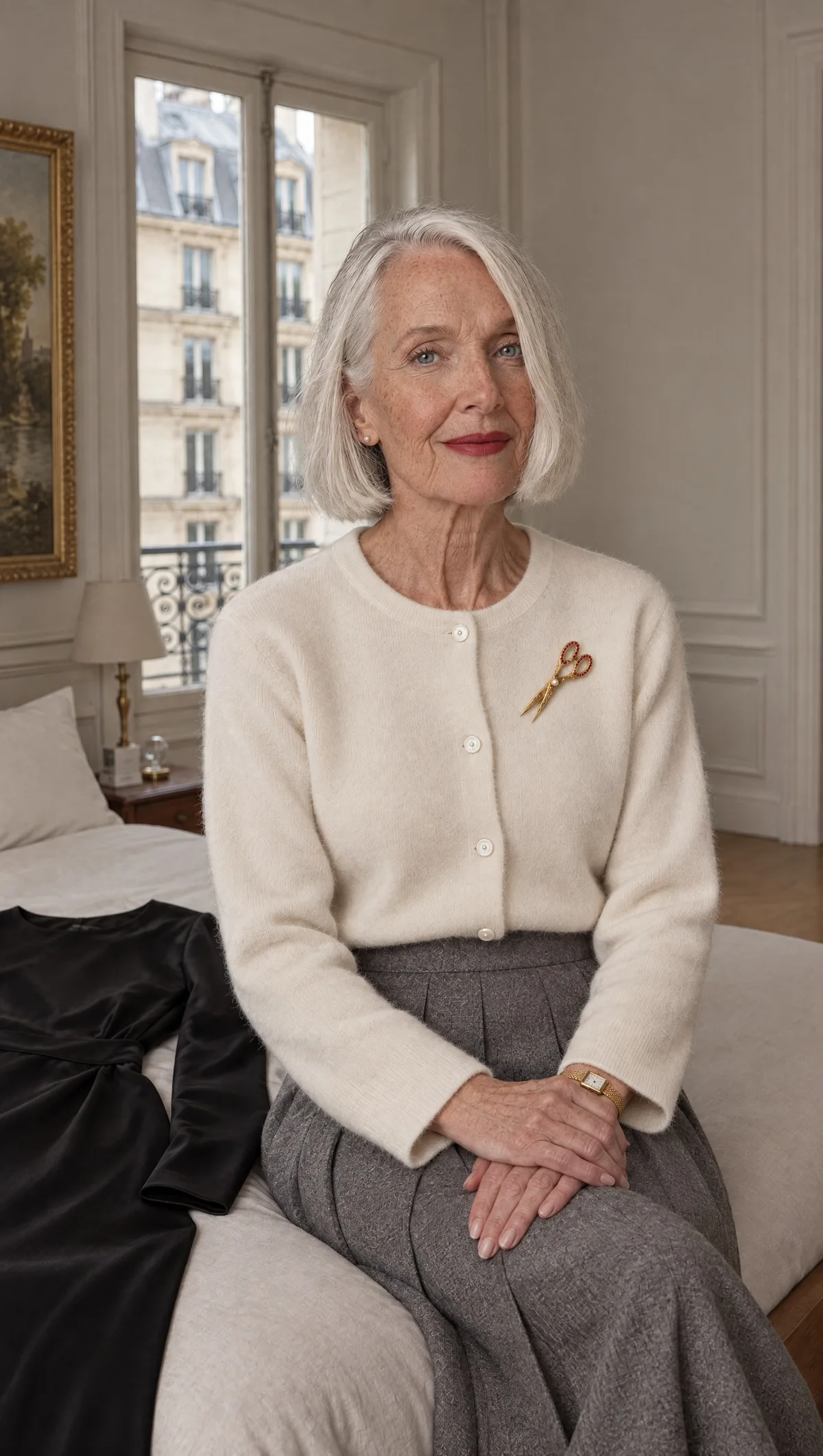
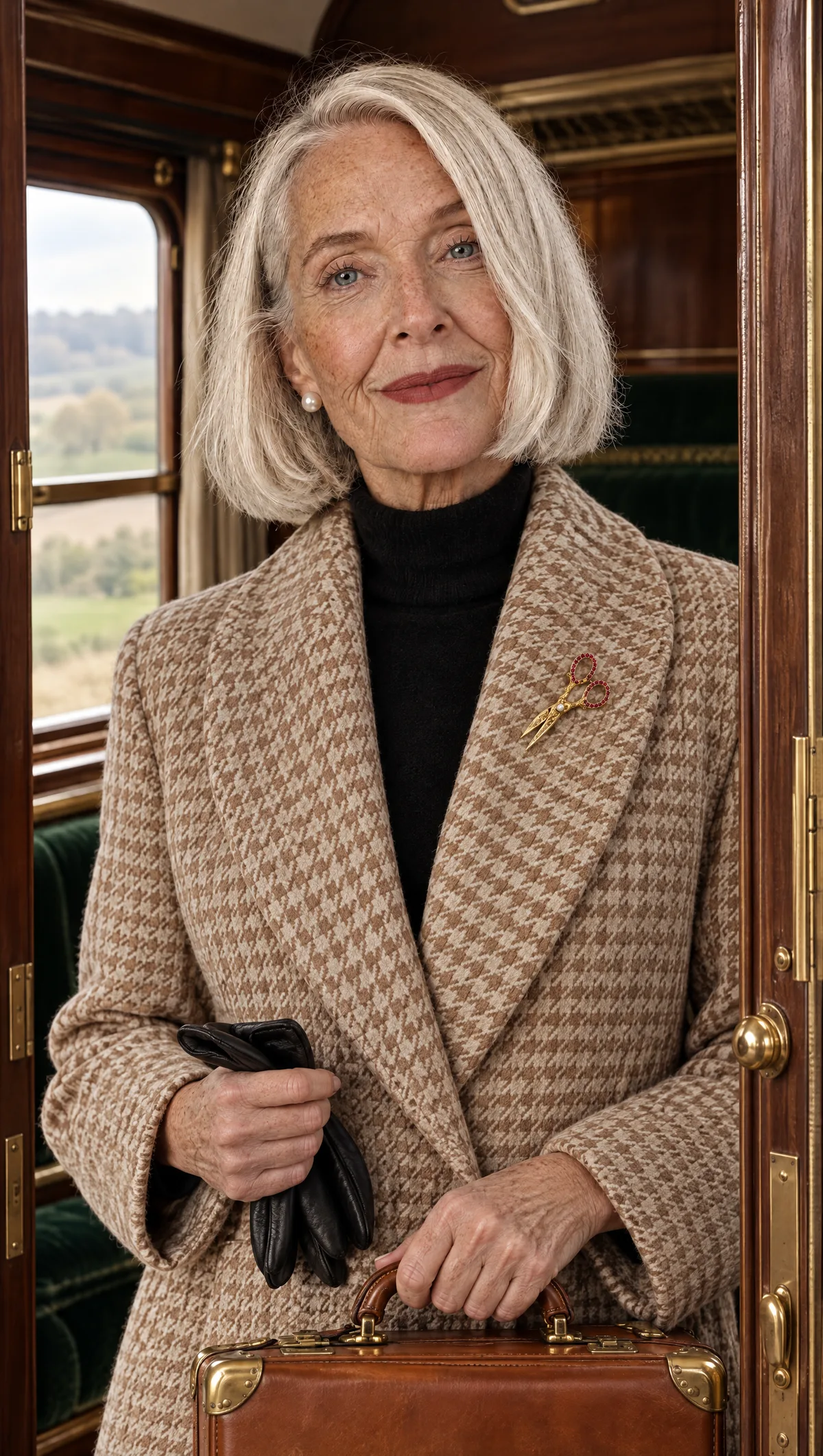
Day-to-Evening Outfits: Plan One Base and a Small Change
Plan a day to evening outfit around clothes you own, with realistic options for a small change or a separate outfit.
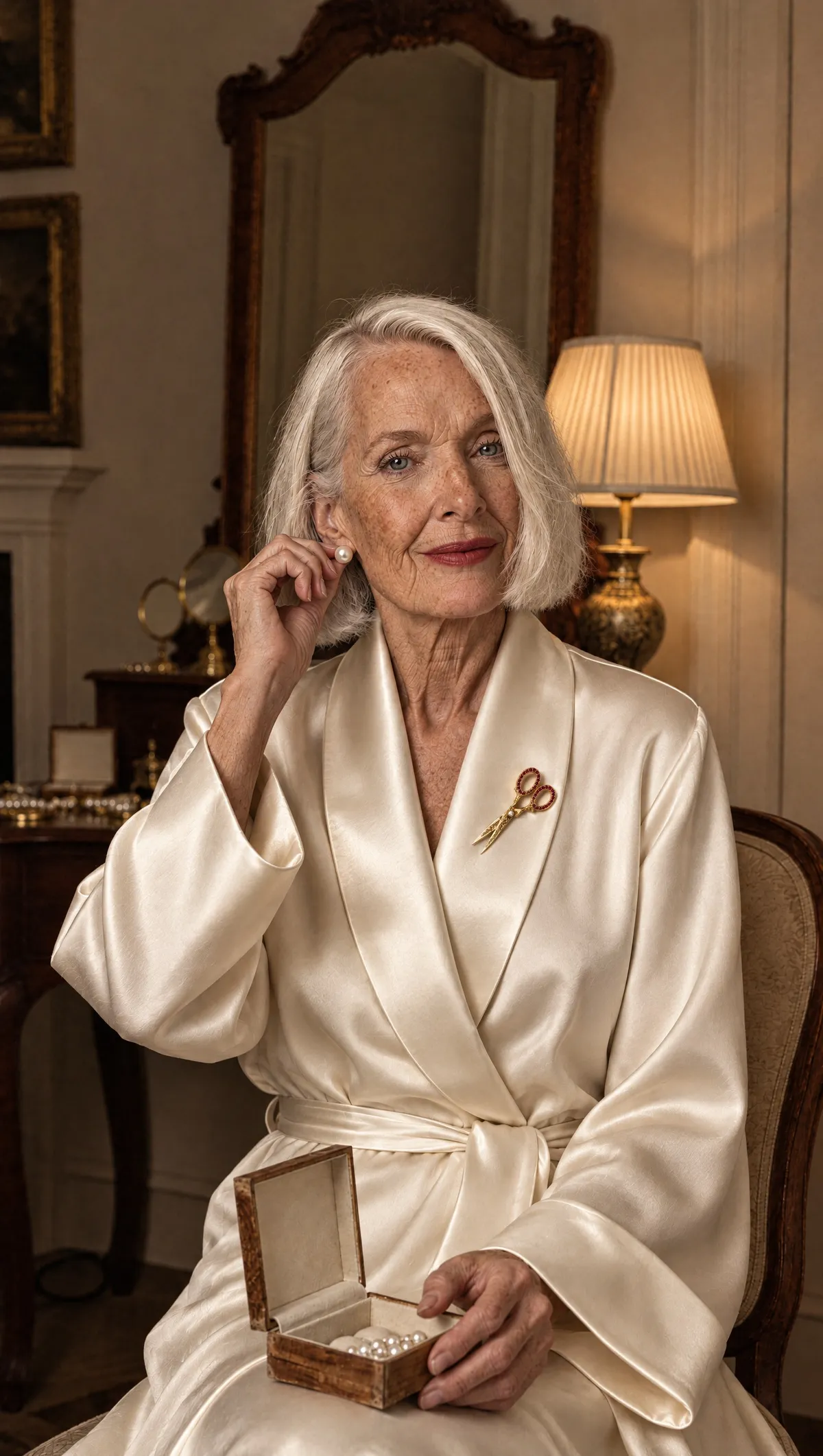
A day to evening outfit starts with two destinations and an honest look at the time between them. Perhaps you have errands followed by dinner, or a daytime appointment before a gathering. The first question is what you will do at each stop, not how to make an outfit look more like evening.
Choose a complete outfit from clothes you already own. Then decide whether it can stay as it is, whether one small change would make you happier, or whether the second occasion calls for a separate outfit altogether. Evening can be casual, active, formal or somewhere in between. The clock does not issue dress codes.
Start with the two stops
Read the invitation if there is one, and check with the host or venue when expectations are unclear. Consider what you will be doing, the conditions you expect and what you would feel at ease wearing. A restaurant meal, a performance and an outdoor gathering may call for different choices, even at the same hour. No outfit here guarantees admission.
Now look at the gap in your schedule. Will you have time and a suitable place to change? Can you carry an extra item, leave it somewhere accessible, or return home? If you will be on your feet and away from storage all day, a piece that needs its own large bag may be more trouble than it is worth.
Build your base around the more demanding part of the day, provided it also suits the other stop. Try the full combination, including shoes and bag. Sit, walk and reach in it; check that the bag holds what you need. These are personal checks, not tests with a single correct result.
| Situation | Decision to consider |
|---|---|
| A day and a relaxed dinner | Keep a complete daytime base if it suits dinner; an owned necklace is optional. |
| A daytime dress and evening layer | Keep the dress and suitable shoes; carry or store a layer only if you can manage it. |
| Different requirements: plan a real change | Arrange an outfit change, a place to change and transport, or choose a different plan. |
A day followed by a relaxed dinner
Imagine a day of appointments followed by dinner with friends. The invitation is informal, and you have confirmed that your daytime clothes are suitable for the restaurant. Start with a familiar top, trousers, shoes you have tried and find suitable for the day's walking, and a bag that holds your essentials. Together they are the outfit for both stops.
If you enjoy a little change for dinner, put an owned necklace in a small pouch inside the bag. Add it before you meet your friends; if you were wearing a different necklace, put that one in the pouch. Nothing else needs to move. The change is small enough to prepare in advance and gives you a different detail to enjoy without requiring a changing room.
You could instead keep your daytime jewelry and bring an existing light layer, if you prefer it and have room to carry it. Check where the layer will go when you take it off. If the dinner turns out to have expectations your base does not meet, revisit the outfit before leaving home rather than relying on a necklace to solve the mismatch.
A dress with a layer to manage
In a different hypothetical day, you are wearing an owned dress with suitable shoes, a cardigan and a daytime bag for an appointment. Later, you are going to an evening gathering. You have checked the invitation and are happy that the dress and footwear suit both occasions.
If you prefer a jacket for the gathering, carry one you already own in a separate tote that you can manage alongside your bag, or leave it in a place you can access before the event. Change the layer there and put the cardigan in the tote. Check that the tote actually holds the cardigan and that you can take it with you or leave it somewhere permitted. A jacket draped over an arm all day is also an option, though it does occupy an arm.
If the conditions and venue allow, removing the cardigan may be enough. Put it in your bag only if it fits without displacing your essentials; otherwise use the tote or keep it on. For a reversible alternative, keep the cardigan throughout and leave the jacket at home. Try the dress both ways beforehand so you know which version you prefer and have a layer available if you want it.

When one base will not do
Suppose your daytime plan calls for a casual top, trousers, tried shoes and a practical bag, while an evening invitation calls for a different outfit. After checking the actual requirements, you decide an owned dress and different shoes are appropriate. This is a real change, not an accessory swap.
If you can return home, leave the dress and shoes there and allow time to change before going out again. Otherwise, arrange an accessible, suitable changing place and carry the dress and shoes in a separate bag large enough for them; make sure you can transport or store the daytime clothes and shoes afterward. Check the changing place and storage arrangements ahead of time. If none of that is workable, choose another suitable outfit for both stops if you own one, or accept that this particular single-base plan does not fit the day.
A different top may be sufficient for another invitation, but only if it works with the trousers and footwear you plan to keep. Try the full evening combination before deciding, then give the removed top a place in your bag. The smallest useful change is the one that meets the actual occasion and fits your schedule.
Make the plan yours
For an upcoming two-stop day, lay out one complete outfit you own and check it against both activities. Try sitting and walking in it, check the forecast and invitation as relevant, and decide where any removed item will go. Compare it with one alternate: the same base unchanged, a different owned layer, or a separate outfit if the occasion calls for one. Pick the plan you can carry out with the time and space you have.
For a broader way to work through your existing clothes, the Capsule Wardrobe plan covers editing, fitting and wearing them as part of its wardrobe process.
I hope both stops leave room for a little enjoyment.
With love,
Margot
Get dressed in five minutes. 30 days, 30 pieces, 60 outfits on me. PDF workbook · 97 pages · 6 printables.
See inside — $29
I’ve seen every trend twice, darling. Forty years in a Paris atelier, three little guides. More about Margot →
© 2026 margotbelmont.com. This article and its photos are protected by copyright. You are welcome to share a link to it or pin an image that links back here. Please don’t copy, republish or adapt the text or photos, or use them for AI training, without our written permission. Terms