What to Pack for Paris: A Practical Clothing Guide by Season
Plan a Paris clothing list around the season, your forecast and your days, with worked winter and summer examples.
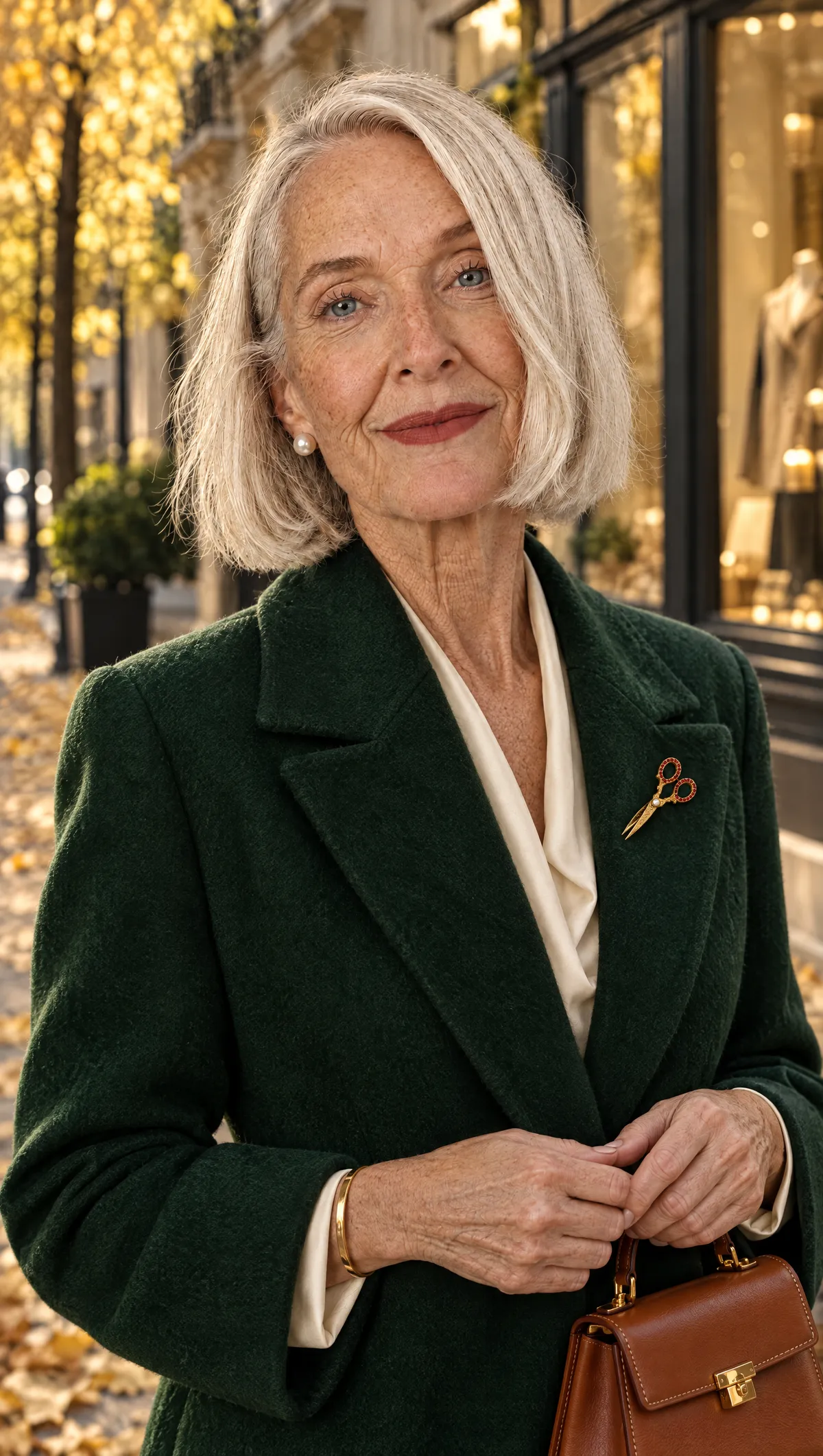
Start with your forecast and your plans, then choose clothes you already like wearing together. Add shoes you have tried with the socks you intend to wear, and an outer layer that suits the conditions. A Paris packing list does not require a Parisian costume; it requires a little room for the weather to change.
Think about the shape of each day. A long day on foot and an informal dinner may be served by the same trousers and shoes, with a change of top or accessory. An invitation with a specified dress code deserves a separate look before you settle on the contents of your bag.
Choose for the season, then check the forecast
The Meteo-France climate data for Paris-Montsouris, covering 1991 to 2020, gives January an average daily low of 3.2°C (about 38°F) and an average daily high of 7.6°C (about 46°F). In July, the corresponding averages are 16.2°C (about 61°F) and 25.7°C (about 78°F). These are climate averages, not a forecast or limits on the temperatures you might encounter.
| Season | Clothing starting point | Adjustment to consider |
|---|---|---|
| Winter | Long-sleeve tops, warm knits and a winter coat | Add a base layer or accessories if the forecast and your preferences call for them; plan for rain. |
| Spring | Tops with a removable knit or light jacket | Early spring can call for warmer choices than late spring; keep a rain option. |
| Summer | Light tops and bottoms, with a light layer available | Carry or wear a rain layer when needed; choose for the actual forecast. |
| Autumn | Tops, a knit and an outer layer | Early autumn may call for lighter choices than late autumn; keep a rain option. |
Rain preparation belongs in the plan in every season, though that does not mean it will rain during your trip. A compact umbrella, a suitable outer layer, or a combination can be chosen for the forecast and your own preferences.
What to wear in Paris in winter
Build around a long-sleeve top and a knit you can remove. Choose a coat that fits over that actual combination, including through the shoulders and sleeves. A coat that closes over a thin shirt but cannot accommodate your knit has passed the wrong audition.
Consider how much time you expect to spend outside and how you respond to cold. A scarf, hat or gloves may earn their space; a thermal base layer is another optional addition. If the forecast is much colder, wetter or otherwise more extreme than the example below, revise the whole combination rather than assuming it will be enough. No single list can guarantee warmth for every person or day.
For wet weather, check the outerwear and footwear manufacturer's descriptions and directions yourself. Water-resistant does not automatically mean waterproof. Pick shoes for the expected conditions and your plans without assuming any pair will prevent slipping.
Two four-day packing examples
These are illustrative choices for four casual city days and informal evenings, with no laundry. Each inventory includes the clothes and single pair of shoes worn in transit, counted once. The four tops reflect a choice to have a fresh one each day; repeating trousers and layers is a personal choice, not a rule. Neither example promises to fit a particular suitcase.
| Trip | Main clothing inventory | Shoes and counting boundary |
|---|---|---|
| Four winter days | 4 long-sleeve tops, 2 pairs of trousers, 2 warm knits, 1 winter coat | 1 tried pair, worn in transit; transit clothes are included in the listed quantities. A second pair is optional and not counted. |
| Four summer days | 4 light tops, 2 bottoms, 1 light layer, 1 packable rain layer | 1 tried pair, worn in transit; transit clothes are included in the listed quantities. |
For the winter example, add socks and underwear for each day, sleepwear, and any scarf, hat, gloves or rain protection you want. These are separate from the main clothing inventory. If you want thermal base layers, add those separately too; they are not among the four everyday tops.
A winter day could start with one long-sleeve top, one pair of trousers, one knit, the coat and the chosen shoes. For an informal dinner, keep the trousers and shoes, remove the coat indoors and adjust the knit to the room and your preference. A different top or a small accessory can change the look without adding a second dinner outfit.
For summer, add daily underwear and socks as needed, sleepwear and personal accessories. An umbrella can replace the listed rain layer if that is your preferred rain plan, or supplement it if you want both. On a day when the forecast suits, wear a light top, one bottom and the chosen shoes, with your bag. Carry or wear the light layer or rain layer as conditions and preference require; there is no need to wear every layer in the heat. For an informal evening, keep the same bottom and shoes and switch to another of the four tops or add an accessory.
If you prefer a dress, use it in place of a top and bottom for an occasion, rather than quietly adding it to the inventory. Recheck the remaining combinations and quantities for the other days. Heels or a new dress are not required for the informal dinners in these examples. For a formal invitation, check its specific requirements and adjust the list accordingly; there is no single restaurant rule to pack for.

Give shoes and outerwear a proper test
Try your chosen shoes with your planned socks before the trip, and consider the amount of walking on your itinerary. If you want a second pair for a change or for different conditions, count it as an addition. The example's one-pair choice is a starting point, not a promise of comfort for every itinerary.
Try your outer layer over the thickest outfit you expect to wear beneath it. Move your arms and close it. For a warmer trip, a packable rain layer may suit your plans; for a colder one, you may prefer a coat and a separate rain solution. Check what your own items are designed to do instead of assuming all rain layers perform alike.
Adjust the list to your trip
For more than four days, look first at which trousers, bottoms and layers you are willing to repeat. Then decide how many tops and other daily items you want between changes. If you plan to clean clothes, allow for the actual opportunity and drying time; do not count on an item being ready again until your plan makes that realistic. If cleaning is uncertain, pack for the days you need covered.
A markedly hotter, colder or wetter forecast can change the examples substantially. So can a day with a specific activity or a formal event. Use the inventories as a way to account for pieces, not as fixed quantities to multiply for every additional day.
Before closing the suitcase, assemble one complete outfit with its shoes, outer layer and bag. Check it against the forecast and any invitations, then remove pieces with no planned use. Count what you will wear in transit along with what goes in the case, once each.
If you would like a broader way to work through the clothes you already own, the Capsule Wardrobe plan covers editing, fitting and wearing them.
I hope your chosen clothes leave you free to enjoy your days in Paris.
With love,
Margot
Get dressed in five minutes. 30 days, 30 pieces, 60 outfits on me. PDF workbook · 97 pages · 6 printables.
See inside — $29
I’ve seen every trend twice, darling. Forty years in a Paris atelier, three little guides. More about Margot →
© 2026 margotbelmont.com. This article and its photos are protected by copyright. You are welcome to share a link to it or pin an image that links back here. Please don’t copy, republish or adapt the text or photos, or use them for AI training, without our written permission. Terms