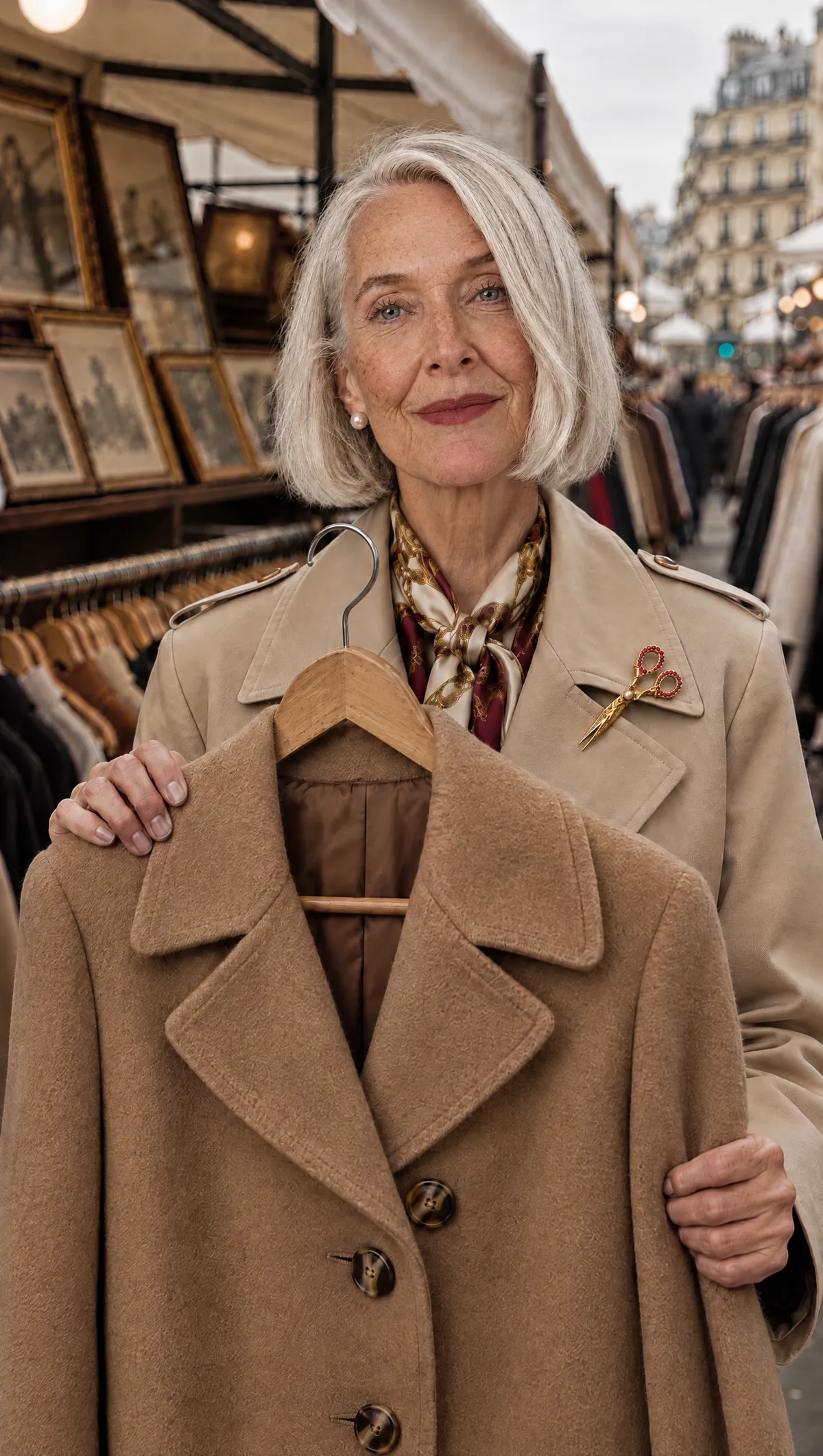
Retirement Wardrobe: Give Your Work Clothes a New Job
Adapt work clothes to your changing routine with practical outfit ideas and thoughtful decisions about what to keep, restyle, or reserve.
A change in your working life can leave you looking at a closet full of clothes that made perfect sense for your old calendar. Some may still suit the days ahead; others might need different companions or an occasional assignment. You do not have to decide the fate of every suit on the first morning of retirement.
Start with the life on your calendar, whether you have retired completely, reduced your hours, or are planning a change. A retirement wardrobe using work clothes can include relaxed outfits and a well-loved jacket. The useful question is where each piece might go now.
Start with next week's plans
Look at the appointments you actually have: perhaps errands, a lunch, a volunteer shift, a meeting, or a family gathering. Include commitments you intend to keep, even if they occur less often. Then note what each occasion asks of your clothes. Will you be sitting for a long meeting, walking between stops, or carrying documents? Is there a dress expectation you need to check?
Your preferences belong on that list too. If you enjoy a tailored look, keep that in mind when choosing an outfit for lunch. If you prefer softer layers now, try those with the trousers you already own. A changed schedule does not require a prescribed degree of casualness.
Choose one pair of work trousers, a skirt, or a jacket that fits and feels usable today. Check its condition and care label, then look for pieces you already have that could accompany it. Sit, stand, and move in it. A garment that needs attention or care you are unwilling to give it may be less useful than it first appears.
Give one piece a new assignment
The following are illustrative situations, not rules about what retirement should look like. Each starts with an owned work piece and a real kind of occasion.
| Situation | Work piece | Possible decision |
|---|---|---|
| A mostly casual week | Navy work trousers | Restyle for errands and a casual lunch. |
| A continuing structured role | Structured jacket | Keep working for an occasional committee or consulting appointment. |
Work trousers for a casual day
Imagine a week with local errands and a casual lunch, in mild, dry conditions. You own navy work trousers that fit and prefer a relaxed outfit. Try them with a striped knit top, an open cardigan, walking shoes you have already tried and find comfortable, and your everyday crossbody bag. Add weather-appropriate outerwear if conditions call for it.
The trousers stay much as they are; the knit and open cardigan give them a less formal setting than the matching blazer and office shoes might. You can keep wearing those original partners if you like them, but the trousers do not depend on them. Check the hem with the walking shoes and move as you would during your outing. If the trousers pull when you sit or the shoes do not suit your plans, change the combination.
Prefer a skirt? Try an owned one with the same sort of top and layer, then check that you can move comfortably and that the hem works with your chosen shoes. The point is to find a combination you would wear for that particular day, not to make every work garment pass the same test.
A jacket for a continuing commitment
Now imagine an occasional committee meeting or consulting appointment, and a reader who enjoys wearing her structured jacket. She pairs it with a plain blouse or knit top, comfortable trousers, loafers or dress flats she finds suitable, and a bag large enough for the items she needs. The jacket has a current purpose, even if the rest of her week looks different.
Check the actual venue's expectations before relying on the outfit. Where the occasion permits, an owned cardigan or another preferred layer could take the jacket's place. Equally, there is no need to retire the jacket simply because it once went to an office. Keeping one complete outfit ready for a recurring role can be sensible without keeping every piece of a former uniform.

Decide what each garment deserves
After a trial, give the item a decision based on what happened, not on its old job title.
- Keep working: The garment already suits an activity you expect to do, and the complete outfit feels usable. Put it where you can reach it for that occasion.
- Restyle: The piece itself works, but its old partners no longer suit the way you want to dress. Note the combination you tried and what you would change next time.
- Reserve: The garment has a specific occasional purpose, such as a suit for a meeting or a pencil skirt for a gathering. Keep it accessible enough to check before that occasion, even if you do not wear it every week.
A piece left unworn since your last workday is not automatically a mistake. Your next opportunity to use it may simply be further away. If you cannot name an occasion yet, you can leave the decision open while your routine takes shape. There is no need to turn this into a full closet clear-out.
Make the outfit fit your preferences
Jeans and sneakers are options, not requirements. If you prefer trousers to jeans, try an owned pair with a knit or blouse. If sneakers are not for you, try loafers, flats, or another pair of shoes you already find suitable for the activity. Check the trouser hem with the shoes you choose, then walk and sit in the complete outfit.
You can leave a top untucked if that is how you like it. Check where it falls with the waistband and whether your cardigan or jacket sits comfortably over it. If loose clothes are not your preference, choose a more shaped layer you already own and move your arms while wearing it. A useful adjustment is one that suits your taste as well as the day's plans.
Alter or buy only for a specific gap
Suppose you repeatedly need an outfit for a particular commitment, but the pieces you have tried do not work together for it. First consider another owned option: perhaps a different bottom with the jacket, or a layer that works with the shoes you intend to wear. A gap deserves a name before it gets a shopping trip.
If an alteration seems worth considering, ask a relevant professional whether it is feasible and what it would cost before commissioning it. If the gap remains and buying is an option for you, look for the specific item that would complete the outfit. You need not replace a whole wardrobe to address one recurring need.
Try one outfit this week
Choose one former work item and one occasion already on your calendar. Assemble a complete outfit, including shoes and a bag suited to what you will carry, and wear it if the occasion and conditions allow. Afterwards, record one result: perhaps the shoes worked for the walk, or the jacket felt restrictive when you sat down. Use that observation to decide whether to keep the combination, change a partner, or reserve the piece for another occasion.
Give yourself more time as your routine changes. One week can provide a useful clue; it does not have to settle the whole closet.
For a broader guide to editing, fitting, and wearing the clothes you own, you may like the Capsule Wardrobe plan.
I hope an old favorite finds a welcome place in your week.
With love,
Margot
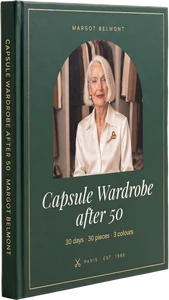
Get dressed in five minutes. 30 days, 30 pieces, 60 outfits on me. PDF workbook · 97 pages · 6 printables.
See inside — $29
I’ve seen every trend twice, darling. Forty years in a Paris atelier, three little guides. More about Margot →
© 2026 margotbelmont.com. This article and its photos are protected by copyright. You are welcome to share a link to it or pin an image that links back here. Please don’t copy, republish or adapt the text or photos, or use them for AI training, without our written permission. Terms